Article by Mark O’Connell.
In these fragmented and ever-challenging times, where global issues can sometimes feel overwhelming, there’s a quietly powerful hope unfolding in the Bidwell Brook valley. In the stretch between Dartington and Rattery, local people, community groups, and organisations are coming together in remarkable ways, determined to restore and protect the landscape we live in and rely upon.
A living bioregion
If you live in Dartington or Rattery, you are part of the Bidwell Brook valley’s unique ‘bioregion’. A bioregion is an area where plants, animals, water, and people form a connected system. When we understand our place as interwoven with local streams, woods, and soils, we can start to live more in balance with nature.
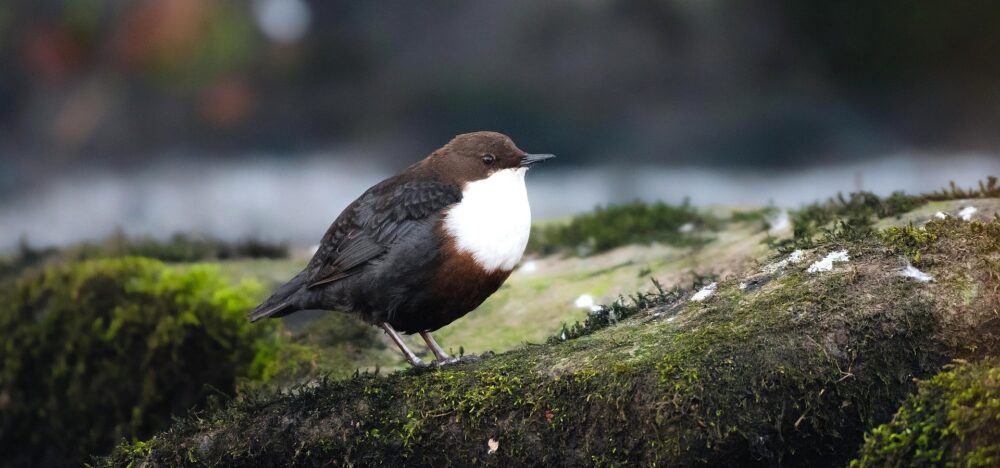
For generations, the Bidwell Brook valley has served as an important wildlife corridor – natural highways for many species to move, feed, and thrive. Hedgerows act as linear habitats where Greater and Lesser Horseshoe bats forage for insects, ancient woodland patches remain connected, and streams cut through the land like arteries, providing home to kingfishers, dippers, otters, deer, hedgehogs, the occasional flash of brown trout, and in living memory – salmon. Across gardens and fields, it’s inspiring to see more wildflowers, ponds, and meadows supporting pollinators and other vital insects.


The vital role of macroinvertebrates
One particularly important, but less visible, element of this ecosystem is aquatic macroinvertebrates – animals without a backbone, like insect larvae, snails, and worms, that live in the brook and can be seen with the naked eye. These creatures break down organic matter, recycle nutrients, and provide food for fish and birds. Significantly, their diversity signals water quality: a thriving community of macroinvertebrates usually means the brook is clean and healthy.
We hope to find out more about their presence in Bidwell Brook at the upcoming Bidwell Brook BioBlitz on 27th September, an event that blends fun, science and stewardship. Please come along, find out more and get hands-on with discovery.
Community action: linking people and nature
The valley’s future as a wildlife corridor will only be secured through collective action. There are many simple, yet hugely impactful ways for everyone to play a part:
- Avoid using pesticides in your garden or on your land.
- Prevent soil and silt runoff from driveways and fields into the river.
- Care for and enhance hedgerows through maintenance and traditional practices like hedge laying.
Many local groups are leading the way. The ‘Connecting People and Landscapes in a Changing Climate’ project, coordinated by Sebastian Allen-Mepham for the Bat Conservation Trust, is empowering landowners, farmers, and communities to better protect bats, hedgehogs, and dormice while fostering biodiversity and community spirit. Parsonage Farm (home to How Now Dairy) has become a hub for this project.
The ever-expanding Dartington and Rattery Environment Group, along with related partnerships, is driving a host of exciting projects. The Bidwell Brook Partnership is working with local citizen scientists and universities to make the brook a ‘living laboratory’ collecting data that will help guide restoration efforts now and in the future. The aim is for the Bidwell Brook to become a model wildlife corridor and, one day, a UNESCO Ecohydrology demonstration site. From Spring 2026 we hope to host more events including seasonal macroinvertebrate and water sampling sessions.
Nature Recovery Across the Valley
Other flourishing initiatives include the Rattery Environment Group’s new Nature Reserve – with 200+ native trees already planted and plans underway for greater accessibility – and ongoing restoration to fight invasive species. The Westcountry Rivers Trust is leading landscape-scale nature-based solutions: planting trees, restoring wetlands, and mainstreaming sustainable water management, all supported by national and local partnerships.
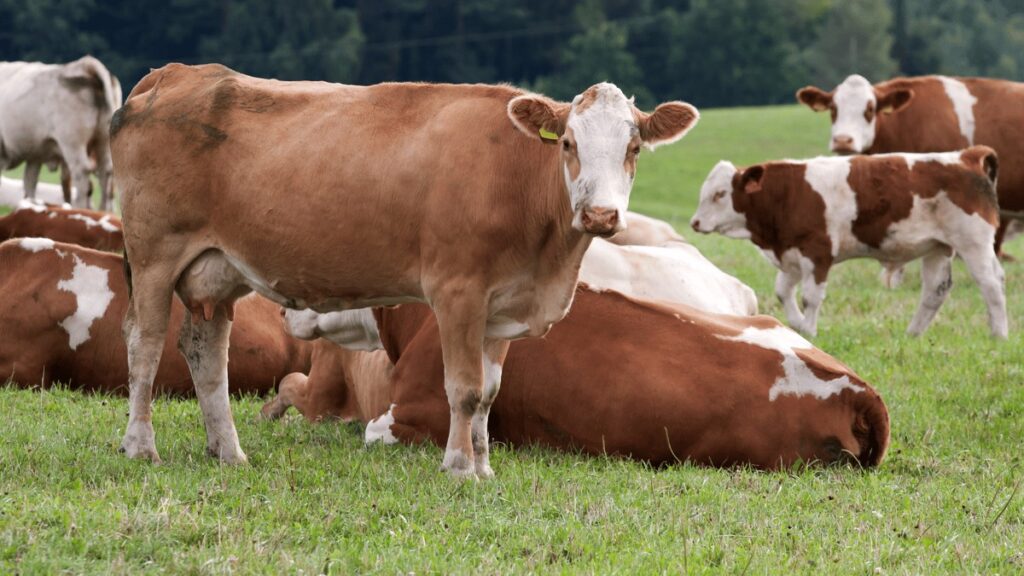
‘Cows in Clover’ is a ‘conservation grazing’ enterprise run by Desley White and John Severn who have now brought a herd of cows to Yarner Beacon. “The effects of large animals grazing areas of land are enormous. Wherever they make an indent with their feet as they walk, they create a brand new, tiny habitat.” This helps seeds germinate, and supports insects, and their dung returns nutrients to the soil, attracting dung beetles, which in turn draw bats and birds.
New projects like the Dartington Environmental Education Partnership are focusing on helping a wide range of people engage with and learn about their local environment, while the Bioregional Learning Centre and Sustainable South Hams are connecting communities for wider knowledge-sharing and habitat restoration.
Queen’s Marsh Wetland Restoration – a partnership between Dartington Hall Trust and the Environment Agency – has been reviving ancient waterways with new habitat for wildlife and people, offering better access and learning opportunities. Meanwhile, grassroots groups like The Living Project hold regular hands-on days at Pondfield, bringing the community together to care for the land and build environmental stewardship.
Nature Recovery Across the Valley
Bidwell Brook is both a natural and cultural artery flowing through our villages and pasts, but it faces modern pressures from pollution, climate change, and development. Through community involvement, regenerative farming, wetland restoration, and collaborative learning, we can work with nature to ensure the brook remains a place of rich wildlife and resilience. Together, our efforts can renew this beautiful corridor and watercourse for generations securing a thriving, healthy valley for nature and for all of us.