Scoping NBS in the Rattery Sewage Treatment Works Catchment
Objectives
We are in dialogue with South West Water to explore whether nature-based solutions could help protect the Bidwell Brook by reducing polluted runoff and improving the final quality of water leaving Rattery Sewage Treatment Works. This scoping study has two linked aims:
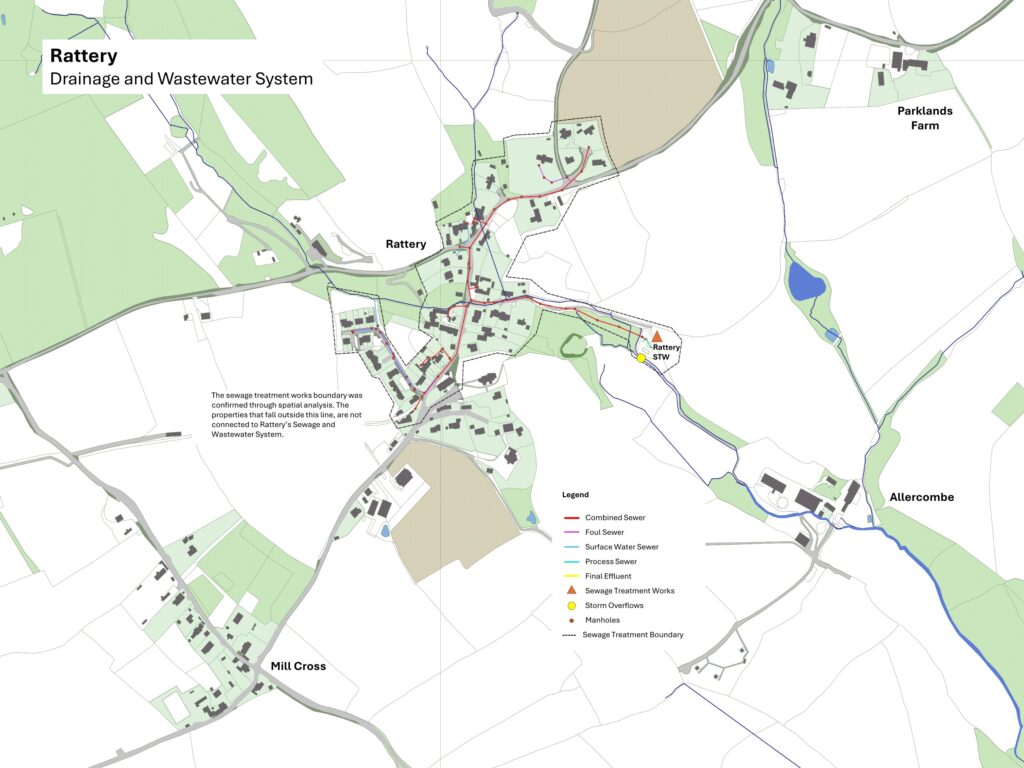
Managing surface water before it reaches the sewer network – Using high-resolution (1m) hydrological modelling, specialists will map how rainwater and shallow groundwater move across the land in the area upstream of Rattery. This will allow us to identify the specific locations where interventions such as small ponds, leaky features, swales, wet grassland, planting or soil improvements could slow, hold or infiltrate water before it rushes into road drains or enters the sewer system. By targeting only the most effective areas, the top ~5–10% of locations in terms of benefit, we can focus effort where it will make the biggest difference. The work will also assess where septic tank overflows and other diffuse sources are likely to reach the brook, helping us position future water quality monitors in intelligent locations.
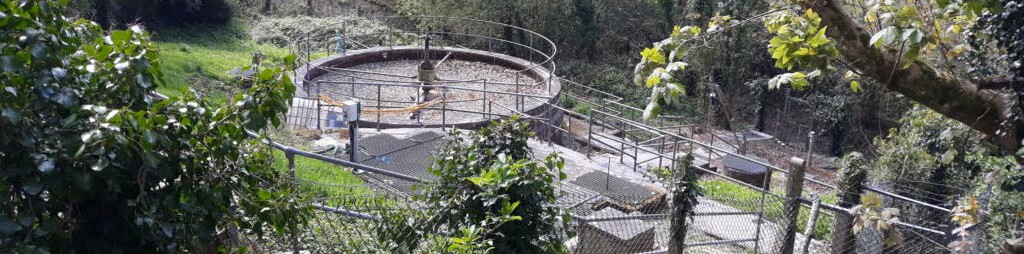
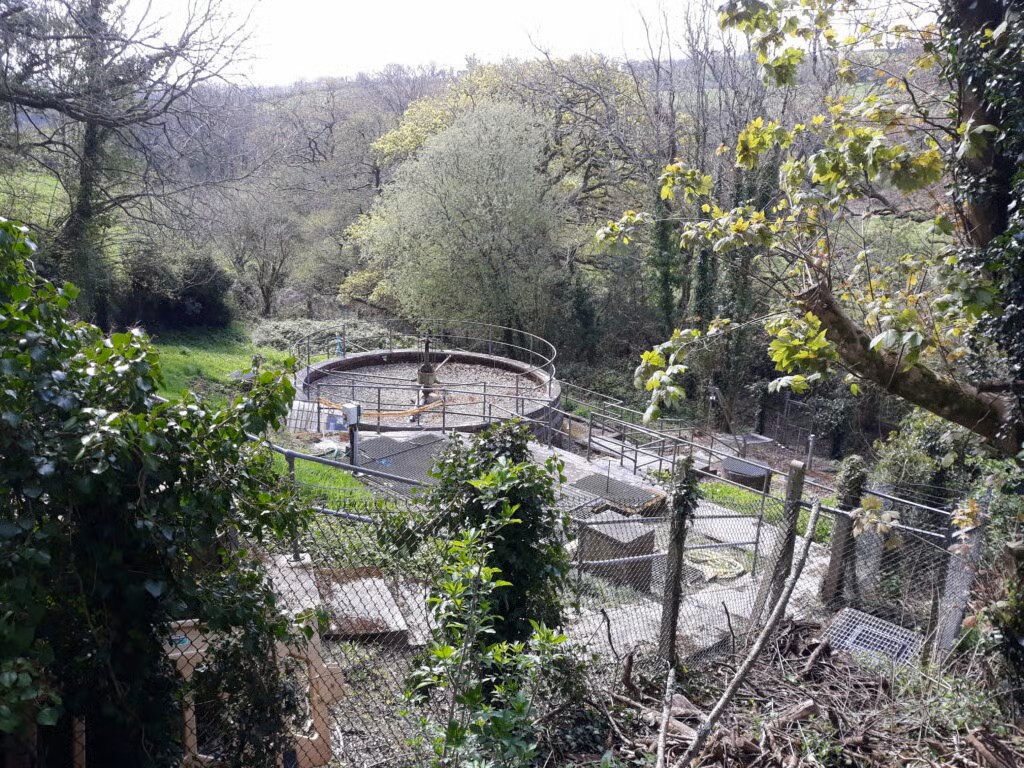
Polishing final effluent with wetlands. The study will also examine whether a constructed treatment wetland could be created downstream of the Rattery works to act as a final “polishing step” for treated effluent before it enters the brook. In simple terms, the wetland would act like a biological filter. The consultants will use local topography to identify possible sites and estimate the size of wetland required to treat normal flows safely, while allowing extreme storm flows to bypass. The idea is to remove contaminants under everyday conditions, which is when most of the harm is caused, without creating flood risk in heavy rain.
Why this matters
Cleaner water in the brook
By keeping unnecessary surface water out of the sewer network in the first place, we reduce the strain on the system and lower the risk of pollution during rainfall. At the same time, a downstream wetland could improve the quality of the final discharge from the works before it reaches the Bidwell Brook.
Lower flood and turbidity pressure
Slowing and holding water in the landscape, in ponds, wetlands and vegetated areas, can reduce flashy runoff and fine sediment entering the brook during storms. That supports healthier invertebrate and fish habitat.
Early warning and smarter monitoring
The 1m flow model can also help us understand where septic tank leaks or other local sources might reach the brook. That means we can place monitors in locations that actually catch the problem, not just measure downstream once it’s too late.
Targeted investment, not guesswork
Because the modelling ranks locations across the whole catchment, we’ll know which interventions deliver the biggest benefit per pound spent, rather than asking landowners to make changes ‘blind’.
Why do this together?
This project is being co-designed between the local partnership and South West Water. That approach matters for several reasons:
Local knowledge + technical expertise
The Bidwell Brook Partnership understands land use, drainage pinch points, farm systems and community priorities. South West Water brings engineering, compliance duties and the ability to invest in solutions. When those perspectives meet, we can design interventions that actually work on the ground, and are welcomed, not imposed.
Shared accountability
The brook doesn’t care where pollution comes from: road drains, septic tanks, farm tracks, treatment works outfalls. A joint plan means we stop treating each pressure in isolation and start treating the catchment as one system.
Nature-first infrastructure
Instead of defaulting to bigger pipes and harder defences, this study asks: can the landscape itself slow, clean and store water? If the answer is yes, the result is not only regulatory compliance, it’s habitat creation, biodiversity gain and a more resilient valley.
Replicable model
If successful, Rattery could become a demonstration of how a rural community and a water company can co-develop nature-based water management at small catchment scale, something that could be repeated elsewhere in the Dart system and beyond.
In short, this is about moving from reacting to pollution after it happens, to preventing it in the first place, by redesigning how water moves through the Bidwell Brook catchment, together.